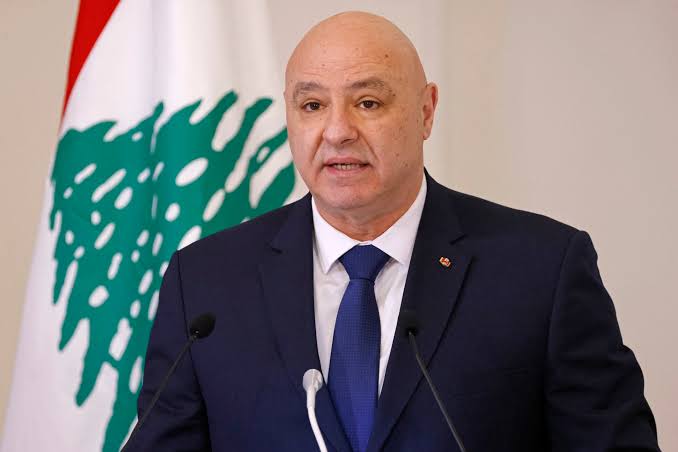
Culture Minister Ghassan Salameh affirmed that President Michel Aoun’s negotiation initiative is flexible and actionable, emphasizing that its core aim is to call for a ceasefire, strengthen the Lebanese army’s capabilities, and allow for direct negotiations on all tracks. “We are working to explain the initiative, persuade international partners to adopt it, and pressure Israel to respond,” Salameh said.
The minister’s remarks came following his visit to Baabda Palace this morning, where he met with President Aoun to review general developments in the country.
After the meeting, Salameh stated:
"I was honored to meet with the President and obtained permission to travel to Paris, where we held an extraordinary session of the Heritage Committee dedicated to protecting Lebanon’s archaeological sites threatened by the machinery of war, and also for the opening of the Byblos exhibition at the Institut du Monde Arabe on Monday. This occasion will be an opportunity to express Lebanon’s position on current events and its needs in various areas, from diplomatic support to aid addressing the catastrophic situation caused by the large-scale displacement from southern Lebanon and other regions of the country."
When asked about French efforts to de-escalate the situation in Lebanon and the likelihood of these ideas materializing, Salameh replied:
"The French President embraced the initiative of His Excellency the President and added to it, trying to promote it with other parties, particularly Israel. Perhaps it did not receive the necessary level of responsiveness, but as far as we know, this has not prevented continuation of this effort. The essence of the President’s initiative is a call for a ceasefire, strengthening the Lebanese army, and direct negotiations on all tracks. There are misconceptions spread by the media, but the President was clear in his four points, and we are working to explain the initiative, persuade foreign countries to adopt it, and pressure Israel to respond."
Regarding the Shiite member of the negotiating delegation expected to travel to Cyprus, and the reluctance of Parliament Speaker Nabih Berri to appoint the representative, Salameh stated:
"This question should be directed to the Speaker of Parliament. In my view, the circumstances Lebanon is experiencing require all of us to step back from pre-existing positions to facilitate reaching a ceasefire. A ceasefire could coincide with other conditions, such as Israel requesting certain measures or us requesting others. The Lebanese presidential initiative is flexible and actionable. I hope there are no internal obstacles, though this is still hypothetical, as the other party, Israel, has not yet accepted the President’s initiative. Therefore, internal debate is currently marginal, as the location, timing, discussion topics, and level of representation are still under discussion."
Former MP Amin Wahbe
President Aoun briefed former MP Amin Wahbe on the general situation in the country, particularly regarding security developments and the plight of displaced people from villages affected by Israeli attacks.
Head of the Central Inspection
President Aoun was updated by Chief Inspector George Atiyeh on the status of public administrations and institutions and their staff amid the current security conditions across Lebanon.
Middle East Airlines (MEA) CEO
President Aoun received Mohammed El Hout, Chairman and General Manager of Middle East Airlines, who briefed him on the company’s operations under the current difficult circumstances, particularly regarding the continuation of flights to and from Rafic Hariri International Airport.
The President praised the efforts of El Hout, the airline’s management, and all staff—pilots, flight attendants, technical teams, and logistics personnel—whose sacrifices have kept the airport operational, maintaining Lebanon’s connection with the outside world. He also commended civil aviation staff and security forces ensuring the safety of the airport and access roads.