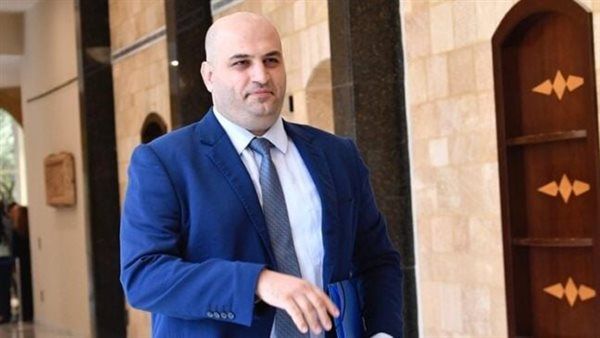
Public Health Minister Rakan Nasr al-Din called on the international community to take immediate and decisive action to ensure the protection of healthcare workers and medical facilities in Lebanon, in accordance with the provisions of international humanitarian law, and to support the continuity of essential health services across the country.
Nasr al-Din made the remarks during his address to the 79th World Health Assembly, opening his speech by stressing that he was speaking not only in his official capacity, but also “as the voice of a country weighed down by suffering,” amid what he described as the harsh humanitarian conditions facing the Lebanese people.
The health minister condemned what he described as the “ongoing Israeli aggression against Lebanon,” saying it had resulted in around 3,000 deaths and more than 9,000 injuries, including nearly 20 percent women and children. He said these figures reflected the heavy human toll of attacks that have struck daily life and safe communities.
Nasr al-Din warned of the direct targeting of the health sector, revealing that 116 healthcare workers had been killed while carrying out their duties, in addition to damage to 16 hospitals, the targeting of 147 ambulances, and the closure of 45 primary healthcare centers. He said these developments constituted a clear violation of international humanitarian law, which guarantees the protection of the health sector under all circumstances.
He noted that some of these attacks took place during what he described as a “ceasefire that was not effectively respected,” stressing that Lebanon’s health system is under enormous pressure as a result of displacement and the growing demand for medical services, exceeding its capacity in many areas.
The health minister called for international action on two main levels: ensuring the protection of the health sector and its workers in accordance with international law, and securing the support needed to maintain essential health services. He warned that the collapse of the health system would have serious humanitarian consequences.
He concluded by affirming that Lebanon remains committed to resilience, but stressed that such resilience “is not enough on its own without effective international solidarity,” adding that protecting health must remain a humanitarian priority and a bridge toward peace, dignity, and stability.
تابع آخر الأخبار أولاً بأول على قناتنا في واتساب
تابعنا