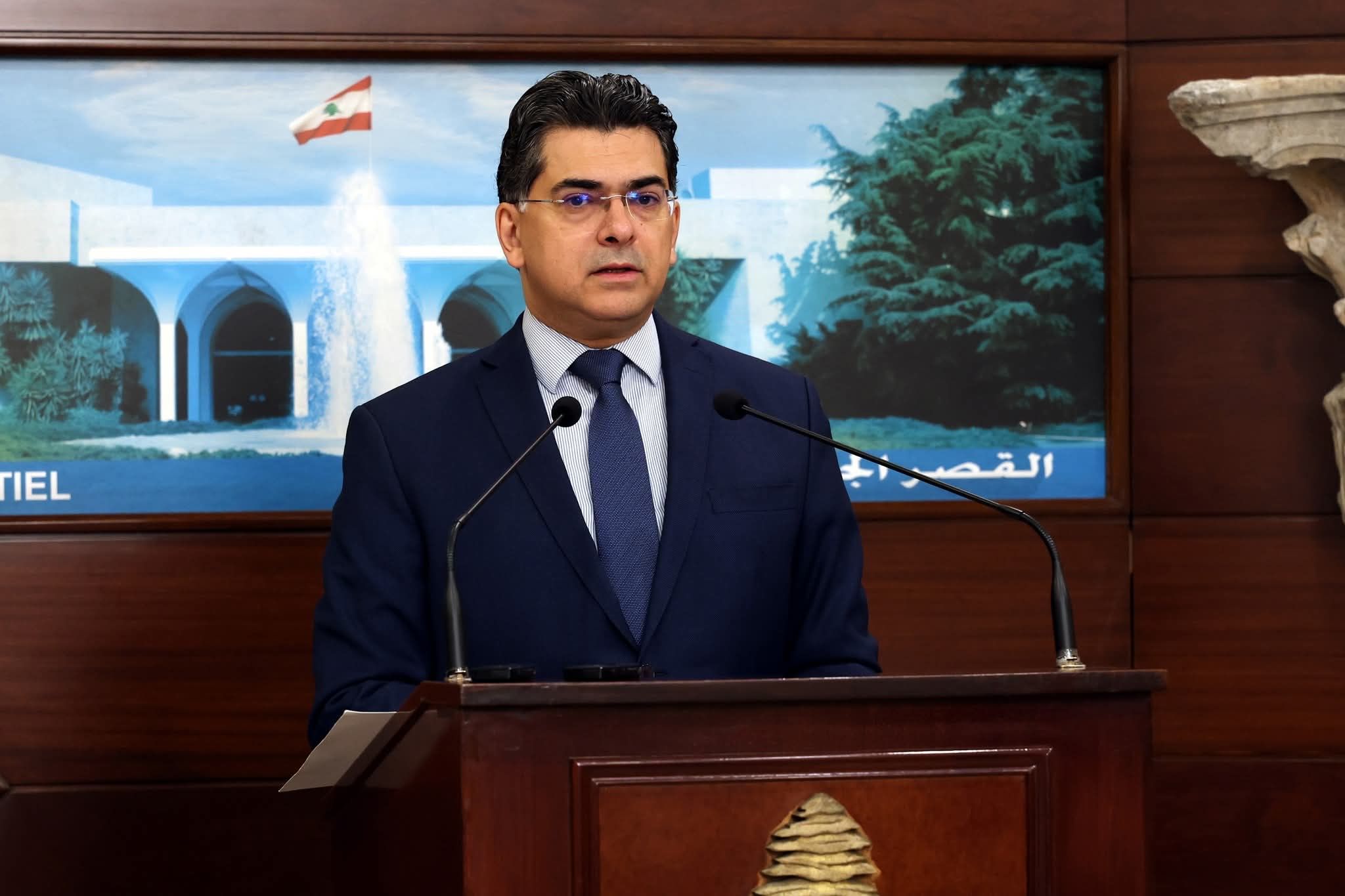
Information Minister Paul Morcos stressed the danger of words in times of crisis, considering that “war begins with words,” and calling on media outlets and citizens to “reject hate speech, sedition, violence and division, and highlight the national common ground that unites us.”
In an interview with Sawt Lebanon, Morcos revealed a series of steps taken by the Ministry of Information to curb media escalation, including repeated appeals and meetings with various media outlets, alongside awareness campaigns that helped calm public discourse and reduce internal tensions.
He pointed to an agreement with media institutions on five key recommendations, most notably adopting balance in discourse, exercising accuracy and caution in reporting the news, and refraining from promoting false or misleading information, in a way that strengthens media professionalism and protects internal stability.
Regarding powers, Morcos explained that the ministry does not possess direct legal tools to hold media outlets or influencers on social media platforms accountable or punish them, stressing that its role is focused on enhancing cooperation and building positive channels of communication with these parties.
He also highlighted the pivotal role played by the judiciary and the competent agencies, particularly the Cybercrime Bureau, in pursuing violations and curbing abuses.
He called on influencers to shed light on government efforts, especially regarding the displaced and shelter centers, and to contribute to forming a balanced public opinion away from negativity, “without limiting their absolute freedom of opinion and expression.”
At the same time, he urged citizens to act with awareness and verify circulating information, and to work toward achieving a responsible balance between freedom of expression and safeguarding civil peace, affirming that “the media is a key partner in shaping public opinion.”
Morcos also revealed the activation of the anti-disinformation unit in cooperation with UNESCO, where specialized teams are working to monitor false news and coordinate with the National News Agency to limit its spread.
In a related context, he pointed to President Joseph Aoun’s keenness to achieve a balance between media freedom, preserving civil peace, and respecting the rights of others.
On the legislative level, he noted that the current media law, issued nearly three decades ago, now needs updating to keep pace with the rapid transformations in the sector, as proposed in the new draft law.
As for the Israeli attacks on Lebanon, Morcos referred to a series of contacts and correspondence with the relevant international bodies, in parallel with studying legal options in coordination with the Ministry of Justice, including resorting to the competent international bodies to protect journalists and filing official complaints through the Ministry of Foreign Affairs and Emigrants.
He concluded by praising the efforts of local media outlets in conveying the facts and keeping pace with developments responsibly and professionally.