Amid rapid international shifts marked by rising tensions in the Middle East and the declining effectiveness of some traditional security frameworks, the Conference on Interaction and Confidence-Building Measures in Asia (CICA) is emerging as one of the regional models redefining the concept of collective security through a different approach based on dialogue rather than hard power.
A security platform built on “soft power”
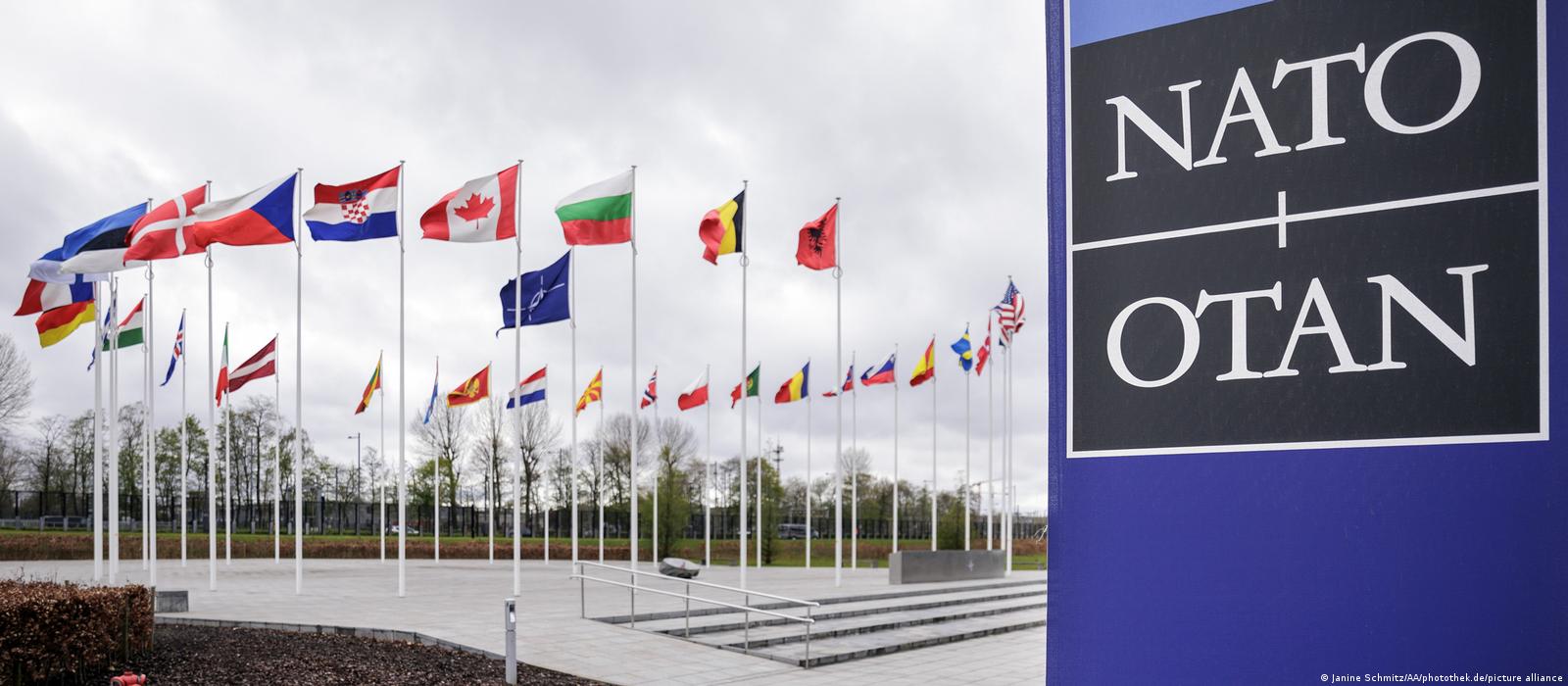
Unlike classic military alliances such as NATO, CICA is not founded on the principle of collective defense or military intervention. Instead, it focuses on de-escalation and strengthening trust among member states through multiple diplomatic channels and non-military paths of cooperation.
The bloc includes 28 countries, among them parties with sharply divergent political relations such as Iran and Israel, making their presence within a single framework a notable phenomenon on the international stage despite the deep differences between them.
Geographic diversity and political weight
The conference includes a broad range of regional and international powers, including China, Russia, and India, in addition to Arab states such as the UAE, Qatar, and Egypt, alongside Palestine. This gives it a diverse geopolitical character that reflects the complexities of the Asian continent and the interwoven nature of its interests.
This diversity is reflected not only in the scale of representation, but also in the multiplicity of visions surrounding the concept of security, as it brings together major powers with global influence and regional states seeking to strengthen their presence in the equations of stability.
An alternative to NATO or a complementary framework?
Despite its growing presence, CICA is not yet seen as a direct alternative to NATO, but rather as a parallel platform aimed at managing crises rather than waging them, and at building confidence instead of imposing military balances.
The conference does not possess binding mechanisms or executive power, but it is steadily expanding its role through “preventive diplomacy,” which seeks to reduce the likelihood of an explosion before it occurs.
Between the faltering of traditional systems and the rise of quiet diplomacy
This development comes at a time when the United Nations faces mounting challenges in managing conflicts, while NATO is undergoing political and strategic tests linked to differing priorities among its members.
By contrast, Asia is moving quietly toward building a different security space based on multilateral dialogue and the easing of tensions, in an attempt to offer a model that is less confrontational and more flexible in managing international balances.
The bottom line
CICA does not appear to be seeking to replicate a military model similar to NATO so much as it is proposing an alternative vision of security based on “political containment” rather than military deterrence. While it still has a long way to go before becoming a decisive player, it reflects a gradual shift in global security thinking toward tools that are less noisy and more diplomatic.